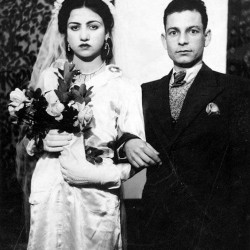
Bride and Groom
The following photographs are chosen from the Iranian Wedding, External Narrative. The images reflect the social changes that have occurred in the past decades in Iran.
✤ Also available in:


The following photographs are chosen from the Iranian Wedding, External Narrative. The images reflect the social changes that have occurred in the past decades in Iran.
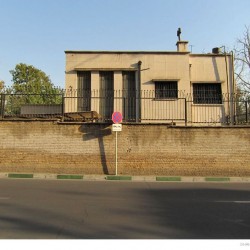
Strolling around Shariati avenue, near Qolhak neigbourhood, Tehran. August 2012.
The photographer Roozbeh Shahrestani says: “Although, one might not be able to convey fully the atmosphere of these places, but perhaps with a momentary pause and a brief look the viewer get some sense of them.”
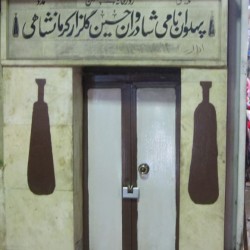
Stonemason Zurkhaneh (“Zurkhaneh”=traditional Iranian wrestling center) is located near the end of Shah-Abbasi Karevansaray and the Goldsmith’s bazaar in the city of Kermanshah. The locals believe that its history goes back to 400 years ago. Many legendary traditional wrestlers of Kermanshah come from this sport club.
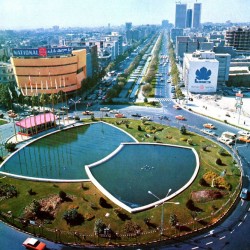
Valiahd Square (Now ‘Valiasr’) as seen in the 1970s postcards.
Valiasr Square is one of the main squares in Tehran, adjoining Valiasr Street, Keshavarz Boulevard and Karim Khan Zand Avenue.
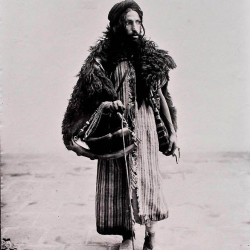
Dervishes were a common subject for foreign photographers of the late Qajar period. These photographs helped to create and fed the stereotypes of exotic Easterners, but nevertheless they are useful historical records of the period.
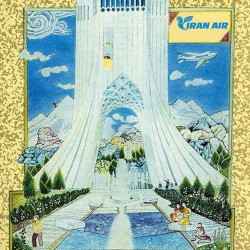
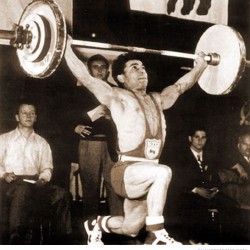
Iranian athletes have won a total of 60 medals in wrestling, weightlifting, taekwondo, and athletics.
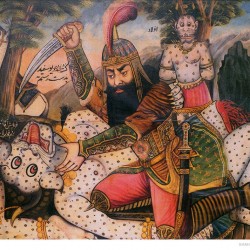
For ages the battle of Rostam and White Deev has been one of the most popular subjects among Iranian book illustrators, tile-makers, and coffee-house painters.
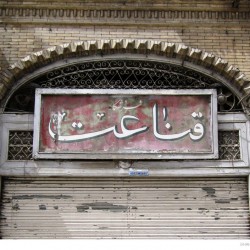
A collection of photographs of store signs from the 1950s and 1960s in Shiraz, taken in the winter and spring of 2012.
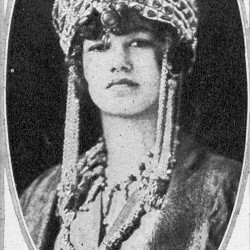
“Persian” costumes worn by young American society women in 1913 & 1914. As you can see the Western perception of Iran in the early 20th century was of an exotic and mysterious land, but today this has changed somewhat.