✤ Also available in: Persian Arabic

Search

Everyday Life

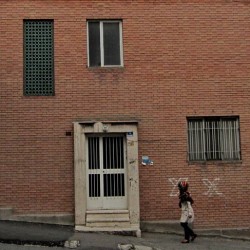
Yakhchal Street

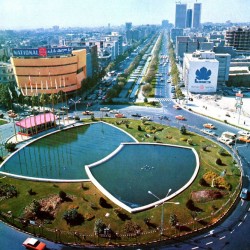
Strolling around Shariati Avenue

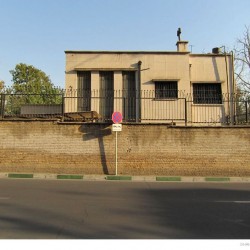
Strolling around Shariati avenue, near Qolhak neigbourhood, Tehran. August 2012.
The photographer Roozbeh Shahrestani says: “Although, one might not be able to convey fully the atmosphere of these places, but perhaps with a momentary pause and a brief look the viewer get some sense of them.”
Read More »
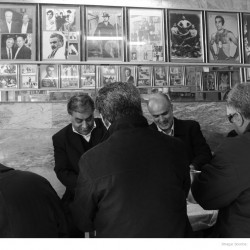
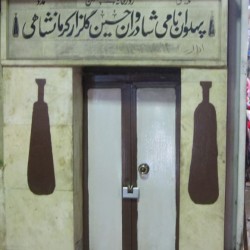
Kermanshah’s Stonemasons Zurkhaneh

Kermanshah’s Stonemasons Zurkhaneh

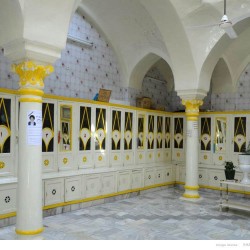
Stonemason Zurkhaneh (“Zurkhaneh”=traditional Iranian wrestling center) is located near the end of Shah-Abbasi Karevansaray and the Goldsmith’s bazaar in the city of Kermanshah. The locals believe that its history goes back to 400 years ago. Many legendary traditional wrestlers of Kermanshah come from this sport club.

Read More »
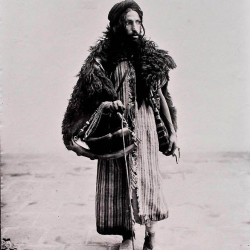
Dervish, Photographer: Antoin Sevruguin, around 1901

Dervishes of Qajar Era

Dervishes were a common subject for foreign photographers of the late Qajar period. These photographs helped to create and fed the stereotypes of exotic Easterners, but nevertheless they are useful historical records of the period.

Read More »
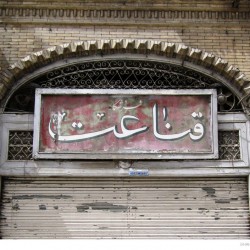
Walking in Tehran’s Amirabad - پرسه در امیرآباد

Walking in Tehran’s Amirabad

Tehran’s Amirabad Neighbourhood (2012)

“Amirabad is the neighbourhood that I have lived in more than any other place in Tehran.” says the photographer, Roozbeh Shahrestani. “These two sets of photographs are actually more than a personal report; it is a personal time travel to a relatively distant past by wandering along streets and alleys of this district of the city.”

Read More »
Dizi Restaurant in Tarasht (3)

Dizi Restaurant in Tarasht

Dizi is one of the most traditional Iranian foods. It is usually made with lamb, chickpeas, white beans, onion, potatoes, tomatoes, dried lime and turmeric. The ingredients are combined together and cooked until done, at which point the dish is strained. The solids are then mashed and served with the broth along with flatbread.

Read More »
Bastinado (Postcard)

Falak (Bastinado)

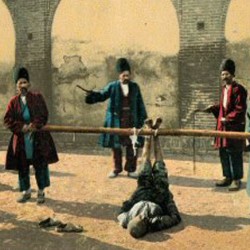
Until the 1920s Falak (bastinado) was the dominant form of public punishment and torture in Iran. Bastinado was used to punish children, servants, criminals, dissidents, and even the members of the elite and the government officials.

Read More »