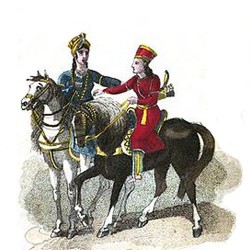
Engravings from the book PERSIA
Twelve Engravings from the book PERSIA by Frederic Shoberl (1775–1853). Published in Philadelphia, 1828.
✤ Also available in:



Twelve Engravings from the book PERSIA by Frederic Shoberl (1775–1853). Published in Philadelphia, 1828.
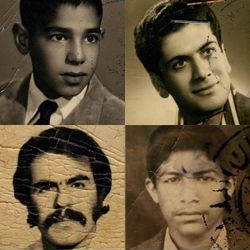
Pictures of Iranian Birth certificates that belong to men born in 1942. These pictures are collected and used by Iranian artist Najaf Shokri in an art project titled “Documentation of Iranian Men, born in 1942”.
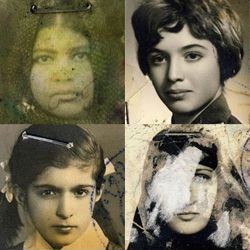
Pictures of Iranian Birth certificates that belong to women born in 1942. These pictures are collected and used by Iranian artist Najaf Shokri in an art project titled “Irandokht”.
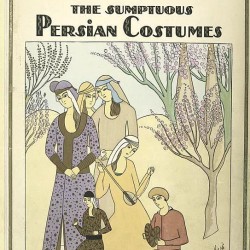
Plates from The history of the feminine costume of the world, from the year 5318 B.C. to our century by Paul Louis de Giafferri published in 1926-1927, New York.
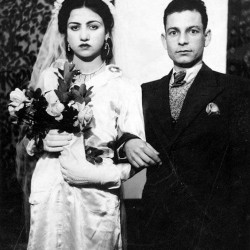
The following photographs are chosen from the Iranian Wedding, External Narrative. The images reflect the social changes that have occurred in the past decades in Iran.
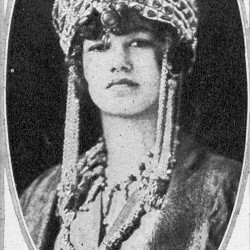
“Persian” costumes worn by young American society women in 1913 & 1914. As you can see the Western perception of Iran in the early 20th century was of an exotic and mysterious land, but today this has changed somewhat.
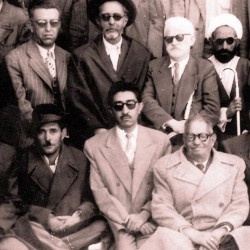
Photograph from the meeting of Sheshdeh’s dervishes with an important Sufi, the man who is wearing a cloak, sitting above the sixth person from left on the bottom row.
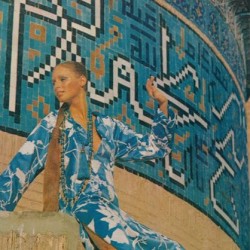
In 1969 Henry Clarke, a fashion photographer, went to Iran to take a collection of pictures for Vogue. He photographed his models in mosques and palaces in Tehran, Isfahan, Shiraz and Persepolis. The pictures were published in Vogue on December 1969.
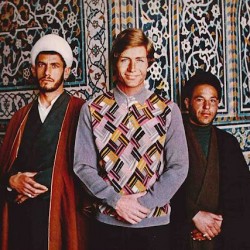
“Persian Excursion”, Gentlemen’s Quarterly (today’s GQ magazine), October 1969.
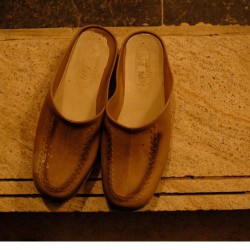
Iranian living spaces consist of different clean and unclean areas defined by social and religious cleanliness codes. To have access to the unclean areas, one needs a very necessary device: Dampayee (Sandals).