
✤ Also available in: Persian

Search

Calligraphy

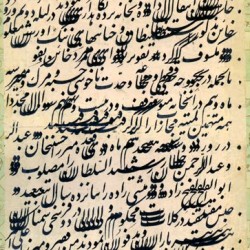
Description of prison life in one of the earlier pieces

Calligraphy in Prison

Mirza Mohammad Seifi Qazwini, also known as Emadolkottab (1861-1936), was a master calligrapher of Nasta’liq in the late Qajar period. Because of his membership in a terrorist group “Komiteye Mojazat – punishment committee” and writing the group’s unsigned leaflets, he was arrested and spent five years of his life in prison.
Read More »
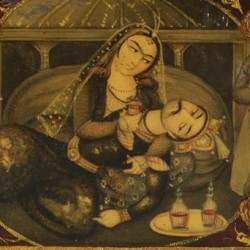
Pen Case with Scenes from the Haft Paykar

Pen Case with Scenes from the “Haft Paykar”

This pen case is decorated with scenes from the Haft paykar (or Seven Images), one of five compositions that make up the Khamsa (Quintet) by the medieval poet Nizami of Ganja (ca. 1141–1209). This work narrates the life of the pre-Islamic Sassanian king Bahram V Gur, who is transformed from a pleasure-seeking prince into a wise and just king guided by law.

Read More »
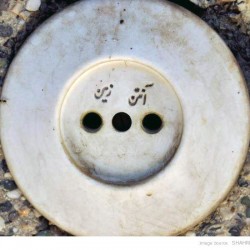
Nastaliq on electricity jack

Calligraphy in Everyday Life

Nastaliq and Shekaste styles of Iranian calligraphy have been in use since 16 century. At the beginning they where the styles of choice for writing the royal orders and decrees, official documents, and books of literature. Today they are used everywhere, sometimes on the most ordinary objects of everyday life.

Read More »