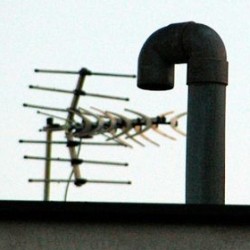
Rooftops of Tehran
What can be seen on the rooftops in Tehran?
In the last century the rooftops of the houses along with the lifestyle of Iranians have changed.
✤ Also available in:


What can be seen on the rooftops in Tehran?
In the last century the rooftops of the houses along with the lifestyle of Iranians have changed.
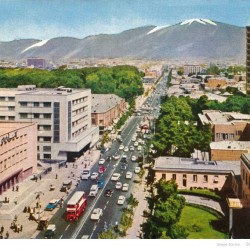
Ferdowsi Avenue is a major thoroughfare in Tehran and it used to be called Ala’odoleh Avenue in Qajar period. It runs from Toopkhane in the south and after passing through Istanbul intersection it ends in Ferdowsi Square in the north.
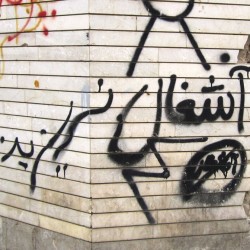
Warning against dumping trash is the dominant graffiti on Iranian walls. The graffiti sometimes is accompanied by cursing or threats against the person who dumps trash.
These pictures were taken in a neighborhood in Shiraz on April 14, 2012.
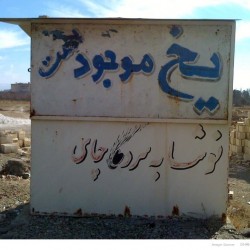
This collection of pictures shows the signs for roadside ice-sellers’ kiosks and shops. These photos were taken in Iran between 2002 to 2011.
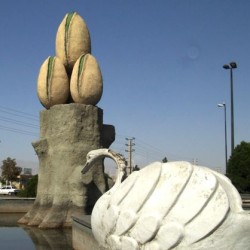
Beautification is the process of making visual improvements to a place or an urban area. With regard to Iranian towns, this most often involves displaying decorative statues and sculptures in public spaces.
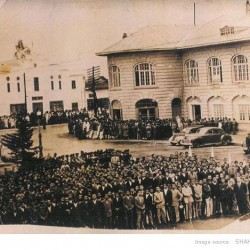
Photos from old government buildings of Rasht, the largest city on Iran’s Caspian Sea coast. Almost all the buildings are still standing, but some of them with different names from the past. For example, today “The hospital building Baladieh” is known as “Municipal Building No. 2”.
* Images provided by Damon Moradi.
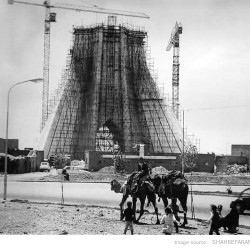
The Azadi Tower, formerly known as the Shahyad (a translation of King Memorial Tower), is the symbol of Tehran and marks the entrance to the city.
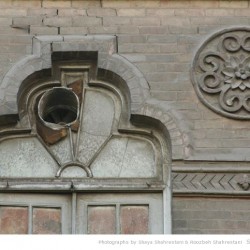
With the destruction of Lalehzar’s oldest theaters not much of its historic buildings will remain. These pictures show the last remnants of Lalehzar’s once great buildings and its historic past. (→ See old Lalezar avenue)
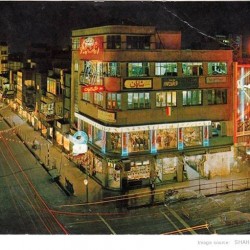
Constructed in the 1880s, Lalezar avenue – also known as “Champs-Elysées of Tehran”- was once a symbol of modernity in a pre-modern country. There were many well-known theatres, restaurants, nightclubs, bars, cinemas and shops in Lalezar Avenue. (→ See today’s Lalezar Avenue)
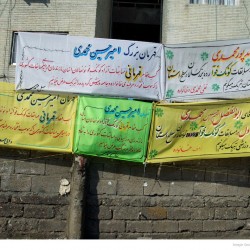
Congratulating and complimenting others has been a long tradition among Iranians but publishing congratulatory messages in newspapers and placing of banners and signs in highly visible public places is a new popular phenomenon.
These signs and ads, especially the ones that have been written on banners, may not be common anywhere else in the world.