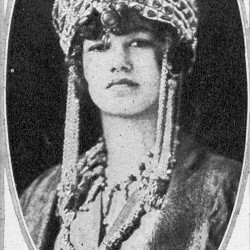
Persian Ball
“Persian” costumes worn by young American society women in 1913 & 1914. As you can see the Western perception of Iran in the early 20th century was of an exotic and mysterious land, but today this has changed somewhat.
✤ Also available in:


“Persian” costumes worn by young American society women in 1913 & 1914. As you can see the Western perception of Iran in the early 20th century was of an exotic and mysterious land, but today this has changed somewhat.
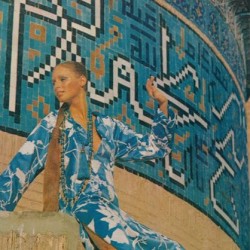
In 1969 Henry Clarke, a fashion photographer, went to Iran to take a collection of pictures for Vogue. He photographed his models in mosques and palaces in Tehran, Isfahan, Shiraz and Persepolis. The pictures were published in Vogue on December 1969.
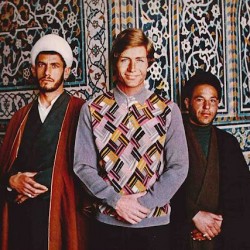
“Persian Excursion”, Gentlemen’s Quarterly (today’s GQ magazine), October 1969.

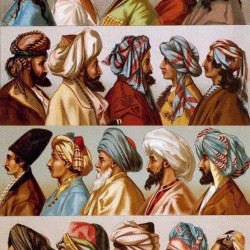
Originally published in France between 1876 and 1888, Auguste Racinet’s Le Costume Historique was the most wide-ranging and intelligent study of clothing ever published. Covering the world history of costume, dress, and style from antiquity through the end of the 19th century, the great work — “consolidated” in 1888 into six volumes containing nearly 500 plates — remains, to this day, completely unique in its scope and detail.
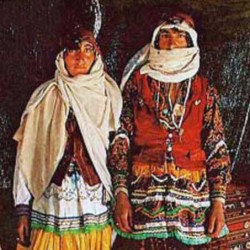
Iran is a vast country containing many different ethnicities and languages so the traditional dress tends to vary by region, territory and sometimes even individual village. By in large, the majority of the ethnicities pertaining to the regions of Iran, dictate the traditional costumes. These include dress styles for Torkemans, Mazandarani, Bakhtiaris, Baluchis, Loris, Gilanis, Kurds, Ghoochanis, Qashqais, and many others.