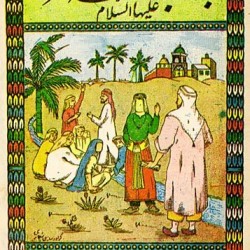
On the Importance of Prayers
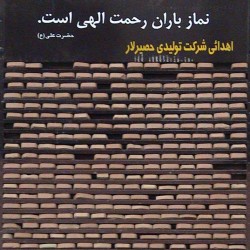
The Iranian government-run “Prayers Units” (Setade Eqameye Namaz) constantly remind people to do their daily prayers. They do that using billboards, signs, and ads.
Photographs by Hartmut Nieman
✤ Also available in:


The Iranian government-run “Prayers Units” (Setade Eqameye Namaz) constantly remind people to do their daily prayers. They do that using billboards, signs, and ads.
Photographs by Hartmut Nieman
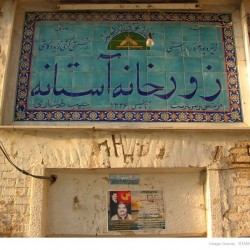
Placing Islamic inscriptions (mostly words from Quran) over the entrances to the houses, business places, or public buildings used to be common in the past. It seems placing these words on the entrances has its roots in an older tradition that sees a supernatural power in words.
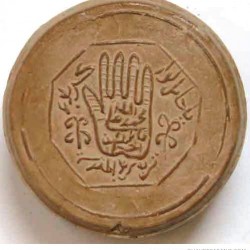
During their daily prayers, Shiite Muslims prostrates on a small block of earth, called “mohr” (meaning “stamp” in Persian) or “turbah”. The most favoured soil is that of Karbala in Iraq, the site of the martyrdom of Imam Hussein; however, soil from Mashhad or Qom in Iran may also be used. The writings on mohr often show where the clay comes from and some have the names of the Muslim saints written on them.