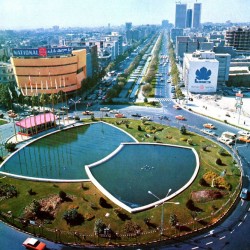
Tehran’s Valiahd Square in the 1970s
Valiahd Square (Now ‘Valiasr’) as seen in the 1970s postcards.
Valiasr Square is one of the main squares in Tehran, adjoining Valiasr Street, Keshavarz Boulevard and Karim Khan Zand Avenue.
✤ Also available in:


Valiahd Square (Now ‘Valiasr’) as seen in the 1970s postcards.
Valiasr Square is one of the main squares in Tehran, adjoining Valiasr Street, Keshavarz Boulevard and Karim Khan Zand Avenue.
![Th[o/e]se Days](https://dev.shahrefarang.com/wp-content/uploads/2012/06/Those-Days-10-250x250.jpg)
“Th[o/e]se Days” is a new collection of photos by Shahin Shahriari & Sina Bagheri. For this collection, they had used pictures of the Iranian Revolution of 1979 and merged them with the new shots of the same spots in Tehran today.
For this collection the photographers used pictures of the Iranian Revolution of 1979 and merged them with the new shots of the same spots in Tehran today.
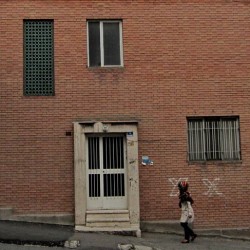
Tehran’s Amirabad Neighbourhood (2012)
“Amirabad is the neighbourhood that I have lived in more than any other place in Tehran.” says the photographer, Roozbeh Shahrestani. “These two sets of photographs are actually more than a personal report; it is a personal time travel to a relatively distant past by wandering along streets and alleys of this district of the city.”
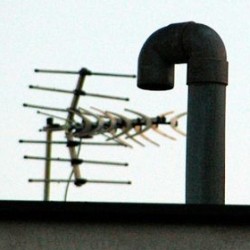
What can be seen on the rooftops in Tehran?
In the last century the rooftops of the houses along with the lifestyle of Iranians have changed.
Dizi is one of the most traditional Iranian foods. It is usually made with lamb, chickpeas, white beans, onion, potatoes, tomatoes, dried lime and turmeric. The ingredients are combined together and cooked until done, at which point the dish is strained. The solids are then mashed and served with the broth along with flatbread.
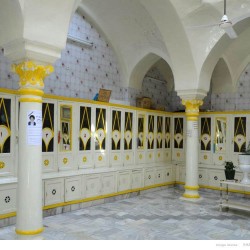
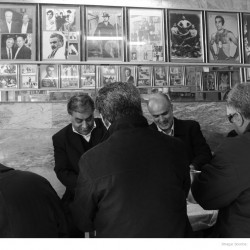
Photographs from the remaining public baths in Tehran’s Bazaar.
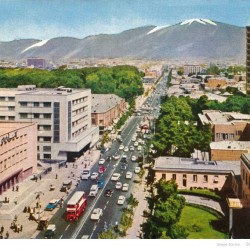
Ferdowsi Avenue is a major thoroughfare in Tehran and it used to be called Ala’odoleh Avenue in Qajar period. It runs from Toopkhane in the south and after passing through Istanbul intersection it ends in Ferdowsi Square in the north.
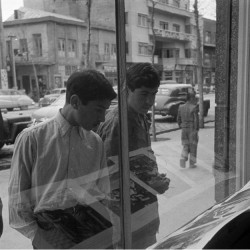
In 1951 the offices of the United States Information and Education Services (though this title cannot be found on Google) in Iran was located in Shah-Abad avenue (currently known as Jomhouri).
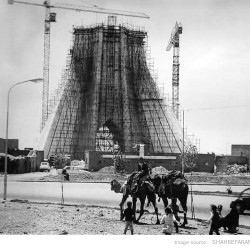
The Azadi Tower, formerly known as the Shahyad (a translation of King Memorial Tower), is the symbol of Tehran and marks the entrance to the city.
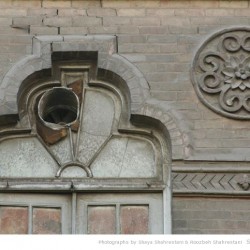
With the destruction of Lalehzar’s oldest theaters not much of its historic buildings will remain. These pictures show the last remnants of Lalehzar’s once great buildings and its historic past. (→ See old Lalezar avenue)